
Introduction: Why Survival Kits & Essentials Matter More Than Ever
Whether you’re a weekend camper, a long-distance hiker, or a serious prepper, one reality never changes: the outdoors is unpredictable. Sudden weather shifts, equipment failure, injuries, and navigation mistakes happen even to experienced adventurers. Search trends for “best survival kits,” “what to pack for emergency survival,” and “essential camping gear checklist” continue to rise each year, reflecting a growing awareness that preparation is no longer optional.
In this comprehensive guide, you’ll learn exactly what makes a high-quality survival kit, which survival essentials you should never skip, and how to choose durable, reliable outdoor gear that performs when it matters most. By the end, you’ll be able to confidently build or upgrade your Survival Kits & Essentials setup for any environment.
Understanding Modern Survival Kits & Essentials
What Is a Survival Kit Today?
A survival kit is no longer just a basic first aid pouch and a flashlight. Modern Survival Kits & Essentials are strategically designed systems built around five core survival priorities:
- Shelter
- Water
- Fire
- Food
- First Aid & Signaling
Outdoor enthusiasts today expect gear to be compact, lightweight, and multi-functional. For example, emergency bivvy sacks now reflect up to 90% of body heat, and water filters can remove 99.9% of bacteria and protozoa from natural sources.
If your current kit doesn’t address these priorities, it’s time for an upgrade.
The 5 Core Components Every Survival Kit Needs
1. Shelter: Your First Line of Defense
Essential Shelter Items:
- Emergency bivvy or thermal blanket
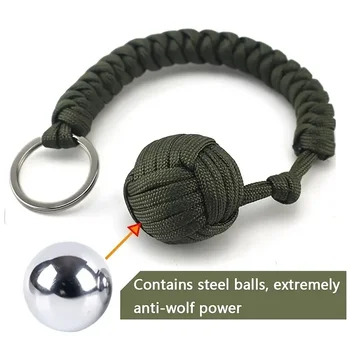
- Compact tarp with paracord
- Weather-resistant poncho
Exposure is one of the leading causes of wilderness emergencies. Hypothermia can occur even in mild temperatures if you’re wet and exposed to wind. Lightweight shelter options ensure you can retain body heat and create protection quickly.
Action Tip: Practice setting up your tarp shelter at home before heading out. Speed matters in bad weather.
2. Water: Filtration and Storage Solutions
Must-Have Water Essentials:
- Portable water filter or purification system
- Collapsible water bladder
- Water purification tablets (backup)
The average person can survive only about three days without water. Natural water sources often contain harmful microorganisms. High-quality filtration systems are a non-negotiable part of any Survival Kits & Essentials collection.
Trend Insight: Compact gravity-fed water filters have become increasingly popular among hikers due to their efficiency and minimal pumping effort.
Action Tip: Always carry two purification methods. Redundancy increases survival odds.
3. Fire: Reliable Ignition Tools
Fire-Starting Essentials:
- Ferro rod
- Stormproof matches
- Waterproof lighter
- Fire tinder
Fire provides warmth, sterilizes water, cooks food, and signals rescuers. Modern ferro rods can produce sparks exceeding 5,000°F and work even when wet.
Action Tip: Store fire-starting tools in a waterproof container. Moisture ruins reliability.
4. First Aid: Prepared for the Unexpected
Essential Medical Supplies:
- Trauma bandage
- Antiseptic wipes
- Blister care
- Tweezers
- Pain relievers
Minor injuries can escalate quickly in remote areas. A well-stocked first aid kit tailored to your activity is crucial. Hikers should emphasize blister treatment, while preppers may prioritize trauma supplies.
Action Tip: Customize your first aid kit instead of relying solely on pre-packed versions.
For more detailed medical preparedness, explore our internal guide on Building a Comprehensive Outdoor First Aid Kit.
5. Navigation & Signaling: Getting Found Faster
Critical Navigation Tools:
- Topographic map
- Compass
- Whistle
- Signal mirror
- Headlamp with extra batteries
Studies show that signaling tools significantly improve rescue times in wilderness emergencies. A whistle can carry farther than a human voice and requires less energy.
Action Tip: Learn basic compass navigation. GPS devices fail; skills don’t.
You may also find our post on Essential Navigation Gear for Backcountry Adventures helpful for refining your setup.
How to Choose Durable, Reliable Survival Gear
Not all outdoor survival gear is created equal. When evaluating Survival Kits & Essentials, prioritize:
Material Quality
Look for ripstop nylon, stainless steel components, and reinforced stitching.
Weather Resistance
Waterproof ratings and corrosion-resistant materials matter.
Multi-Functionality
A paracord bracelet with a built-in compass and fire starter saves space.
Weight vs. Durability Balance
Ultralight gear is appealing, but shouldn’t sacrifice strength.
Action Tip: Test gear during short trips before relying on it in remote environments.
Common Mistakes Outdoor Enthusiasts Make
Even experienced adventurers overlook critical details:
- Packing gear without knowing how to use it
- Failing to rotate perishable items
- Ignoring seasonal adjustments
- Skipping backup tools
Preparedness is about planning for unlikely but possible scenarios. Your Survival Kits & Essentials should evolve with your skill level and the environments you explore.
Building Long-Term Readiness
Survival preparedness isn’t a one-time purchase; it’s an ongoing process. Conduct seasonal gear audits. Replace expired items. Upgrade based on new technologies and lessons learned from trips.
Preppers especially understand that durable survival gear is an investment in security and peace of mind. Campers and hikers benefit from the same mindset—preparedness builds confidence and reduces risk.
Conclusion: Preparation Creates Freedom
The outdoors rewards preparation. By focusing on high-quality Survival Kits & Essentials, you dramatically increase your safety, resilience, and confidence in unpredictable situations.
Remember the key takeaways:
- Prioritize shelter, water, fire, first aid, and navigation
- Choose durable, weather-resistant gear
- Practice using your equipment
- Update your survival kit regularly
When your gear is reliable, your adventures become more enjoyable and less stressful.
If you found this guide helpful, explore our other in-depth resources on outdoor survival gear and consider joining our newsletter for expert gear reviews, preparedness strategies, and exclusive updates designed for serious outdoor enthusiasts.





0 Comments