Introduction
If you live for fresh trails, starry campsites, and rugged landscapes, you know that being prepared isn’t just smart—it’s essential. In this guide, you’ll learn how to choose durable and reliable outdoor products that not only support your adventures but also enhance your self‑defense & protection in unpredictable environments. Whether you’re a camper, hiker, or prepper, we’ll break down the best strategies and gear to help you stay safe, confident, and ready for whatever comes your way.
Why Self‑Defense & Protection Matter for Outdoor Enthusiasts
Spending time in remote or wild areas exposes you to a range of natural and human‑related risks. From unexpected wildlife encounters to potential security threats on isolated trails, having the right gear and knowledge isn’t optional—it’s part of responsible outdoor living.
Outdoor Risks You Should Know
- Wildlife encounters: Bears, boars, and mountain lions are real threats in certain regions.
- Weather challenges: Sudden storms or cold snaps can quickly shift your priorities from leisure to survival.
- Personal security: Remote trails and backcountry areas often have limited cell service, making self‑reliance a must.
Understanding these risks helps inform why self‑defense gear, such as deterrents or emergency communication tools, should be on your checklist every time you head out.
Choosing the Right Self‑Defense & Protection Gear
When it comes to gear, not everything marketed as “outdoor” is created equal. Here are actionable tips to help you choose the best products for your outdoor pursuits:
1. Prioritize Reliability and Durability
Choose products designed to withstand extreme conditions. Look for materials such as high‑grade aluminum, reinforced polymers, and rugged fabrics.
Actionable Tip:
Before buying a self‑defense tool like a personal alarm or a flashlight, check for weather resistance ratings (e.g., IPX6 or higher) and user reviews that mention real‑world performance.
2. Understand Local Laws and Regulations
Self‑defense tools vary in legality depending on where you venture. What’s allowed in one state or country might be restricted in another.
Actionable Tip:
Before selecting a self‑defense weapon (e.g., pepper spray or stun device), research regional regulations so you stay compliant and avoid penalties.
3. Balance Practicality with Protection
Being overloaded with gear can slow you down. Instead, focus on tools that serve multiple functions—like survival bracelets that include a compass and emergency whistle.
Example:
A tactical flashlight with built‑in strobe mode can disorient a threat, signal for help, and illuminate your path—all with one tool.
Top Outdoor Products for Self‑Defense & Protection
Below are categories of equipment that every outdoor enthusiast should consider. Each item blends practical outdoor use with personal safety.
Self‑Defense Tools
- Personal alarms: Emit loud sounds to deter threats and attract attention.
- Pepper sprays and deterrent sprays: Provide a non‑lethal defense option against both animals and humans.
- Stun devices: Effective for close‑range situations where legal and safe to carry.
Protection Accessories
- Tactical flashlights: High lumen output gives visibility and aid in disorientation.
- Multi‑tool survival kits: Include blades, saws, fire starters, and safety whistles in compact designs.
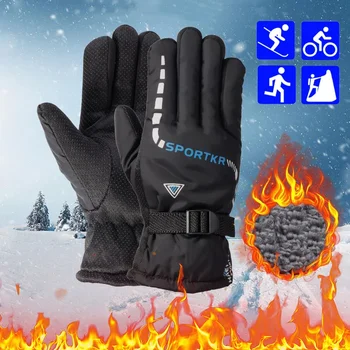
- Protective gloves: Guard hands while scrambling over rocks or preparing firewood.
Navigation and Communication
- Satellite messengers: Critical in areas with no cell coverage—can send SOS signals in emergencies.
- Topographic GPS devices: Help you avoid getting lost and keep you on safer terrain.
How to Train with Your Self‑Defense Gear
Owning gear is only half the battle. You also need the confidence to use it when it counts.
1. Practice Regularly
Set up scenarios during camping trips to simulate real challenges—like identifying escape routes or signaling for help.
Actionable Step:
Incorporate a monthly refresher where you test your satellite communicator’s SOS function and practice deploying your personal alarm.
2. Learn Basic Self‑Defense Techniques
Even if you choose non‑lethal tools, understanding movement, distancing, and awareness strategies can enhance your overall protection.
Example:
Simple drills like maintaining a safe perimeter around your campsite or using natural barriers can reduce risk before a tool is ever needed.
3. Join Local Workshops or Online Courses
Many outdoor shops and community groups offer self‑defense classes tailored to hikers and campers.
Actionable Step:
Schedule at least one training session every outdoor season to stay sharp and learn new techniques.
Trends in Outdoor Self‑Defense & Protection Gear for 2026
Outdoor gear evolves quickly, and current trends point toward smarter, more integrated tools:
- Wearable tech: Gear that tracks your location and health stats in real time.
- Integrated communication systems: Devices that combine GPS navigation with emergency alerts.
- Eco‑friendly materials: Durable gear made from sustainable resources that still deliver rugged performance.
These trends show that the future of outdoor self‑defense is not just about protection—it’s about connected, prepared, and responsible adventures.
Conclusion
Protecting yourself while exploring the great outdoors doesn’t have to be intimidating. By choosing reliable gear, training with intent, and staying informed about best practices, you build confidence and resilience on every trail. Remember these key takeaways: prioritize durability, understand local regulations, and commit to ongoing practice.
Ready to elevate your outdoor safety? Join our newsletter for more expert gear reviews, self‑defense tips, and survival insights tailored to hikers, campers, and preppers like you. Share this post with fellow outdoor enthusiasts who value preparedness as much as you do.




0 Comments